Why marketing effectiveness has never been more critical
Despite having access to more marketing data, dashboards and measurement tools than ever before, many advertisers still struggle to translate insights into better business decisions. According to new research from the World Federation of Advertisers (WFA) and Ebiquity, two-thirds of brand owners acknowledge they are not yet where they need to be when it comes to paid media measurement.
To help marketers bridge this gap, WFA and Ebiquity have launched the Paid Media Effectiveness Handbook, a practical guide that helps senior marketing and media leaders navigate today's increasingly complex measurement landscape. At UBA Media Date on 25 August, Ruben Schreurs, Group CEO of Ebiquity and one of the driving forces behind the handbook, will personally present its key insights.
Measurement is no longer the challenge. Turning it into action is
Today's marketers have access to marketing mix modelling, brand lift studies, attribution models and countless dashboards. Yet many organisations still struggle to answer a fundamental question: how should this evidence influence investment decisions?
The WFA and Ebiquity research reveals a striking disconnect. While eight in ten global advertisers already use advanced measurement techniques, only 13% believe they are strong at turning data into timely insights, and only 4% are fully confident they can distinguish short-term performance from long-term brand-building impact. The research conducted by WFA and Ebiquity points to a clear ambition: within three years, three-quarters of budget decisions will be informed by robust measurement.
The handbook identifies three major barriers that continue to hold organisations back:
- fragmented and disconnected data;
- an increasingly complex media ecosystem with new channels such as retail media, connected TV and AI-powered search;
- growing financial scrutiny, requiring marketers to justify media investments with the same rigour as any other business investment.
When senior leaders were asked what prevents measurement from informing decisions, methodology complexity ranked last. The biggest barriers were organisational, not analytical, and require stronger systems to overcome. The handbook explains how to build such a system across four connected dimensions, linking metrics, methods, decisions and conversations across the organisation.
Built on global research and real-world experience
The recommendations are based on extensive research conducted jointly by WFA and Ebiquity during Spring 2026. The study combines a global survey among 71 senior marketing and media leaders across 10 industry sectors with in-depth interviews involving 27 practitioners from major multinational advertisers.
These insights are complemented by Ebiquity's extensive experience. The result is a practical handbook that goes beyond theory, offering concrete guidance on how organisations can improve governance, align stakeholders and make better media investment decisions.
Hear the story behind the handbook at UBA Media Date
At UBA Media Date, Ruben Schreurs will explain why measurement maturity has become a competitive advantage and how organisations can move beyond collecting data towards making better commercial decisions. His keynote promises practical insights for every marketer looking to maximise the impact of paid media investments.
With marketing budgets under increasing pressure, fragmented media consumption and rapidly evolving technology, the timing could hardly be more relevant.
What to expect at UBA Media Date 2026
UBA Media Date has established itself as the annual back-to-business gathering for Belgium's media and marketing ecosystem.
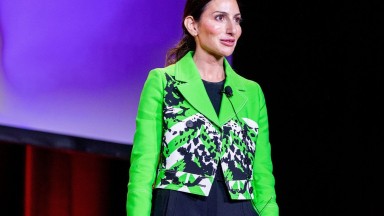
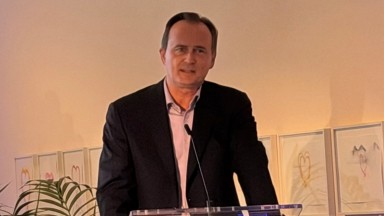
This year's programme promises to be particularly rich. Attendees will hear from Ruben Schreurs, who will present the findings of the Paid Media Effectiveness Handbook developed by Ebiquity and the World Federation of Advertisers (WFA). Deborah Gurofsky will explore how brands can build stronger and more enduring relationships with their audiences, while Les Binet, one of the world's leading authorities on marketing effectiveness, will explain how small thinking undermines effectiveness and what marketers can do about it.